
- The common variety of energy U.S. adults consumed from espresso drinks elevated by almost 40% between 2003 and 2018, rising from 43 to 60 energy per day, at the same time as the quantity of espresso consumed remained comparatively steady.
- Non-dairy creamer turned the most important supply of energy added to espresso by 2018, contributing about 19 energy per day, greater than double the quantity recorded in 2003.
- Earlier analysis has linked average espresso consumption to a decrease danger of heart problems, sort 2 diabetes, and sure cancers, however the brand new research didn’t study whether or not including sugar or creamer impacts these potential well being advantages.
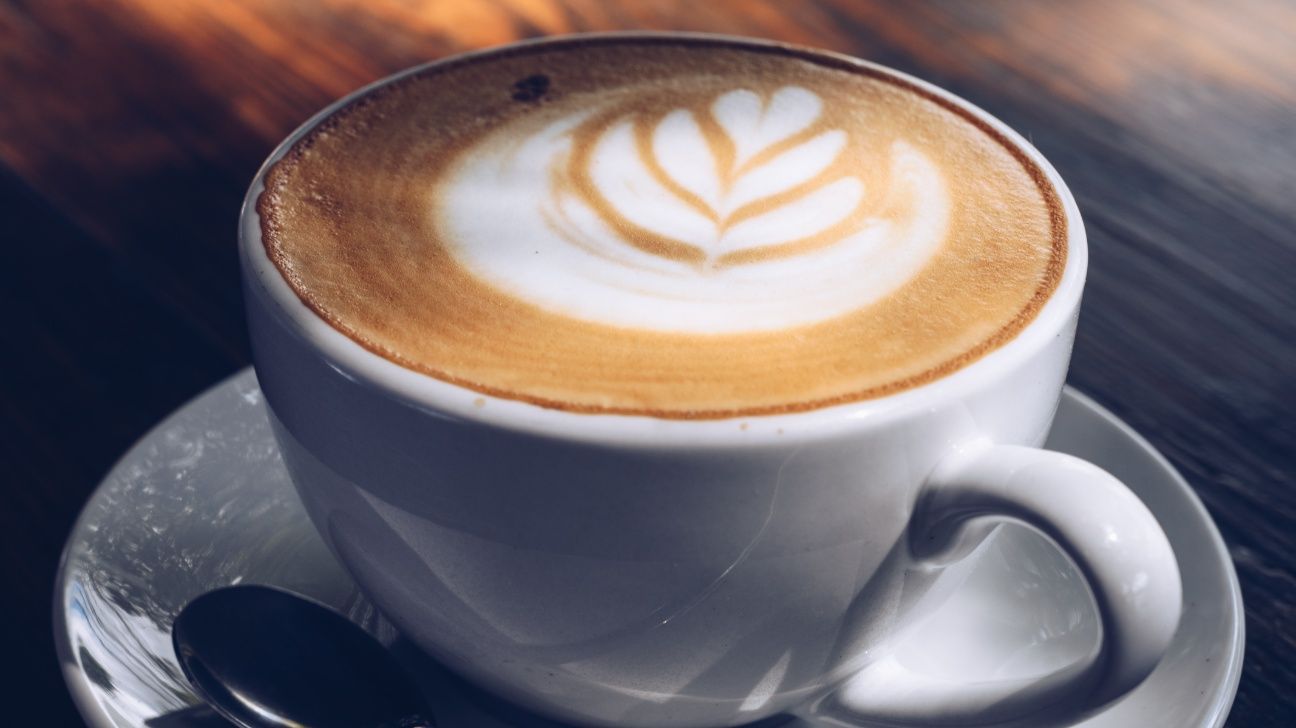
Espresso consumption amongst U.S. adults remained comparatively steady between 2003 and 2018, however the common variety of energy consumed from espresso drinks elevated by almost 40%, in line with a research revealed within the Journal of the Academy of Nutrition and Dietetics.
By 2017–2018, U.S. adults consumed a median of about 13 ounces of espresso drinks per day. In the meantime, the common every day calorie consumption from these drinks had elevated from 43 to 60 energy since 2003–2004.
By 2018, non-dairy creamer had grow to be the most important supply of energy added to coffee, surpassing sugar or syrup and dairy milk.
The researchers categorized espresso drinks based mostly on whether or not they contained added components. These additions included:
The researchers discovered that espresso consumption remained steady, whereas the common calorie consumption from espresso drinks elevated.
Absolutely the improve in caloric consumption is about 17 kcal per day, which is just about 1% of a 2,000 kcal weight loss program.
Espresso consumption was additionally larger amongst males, non-Hispanic white adults, and folks with larger incomes. Those that slept fewer hours or labored longer hours additionally tended to drink extra espresso.
In 2018, the most typical espresso additions by weight had been:
- dairy milk (21.4 grams per day)
- non-dairy creamer (8.1 grams per day)
- sugar (4.4 grams per day)
The researchers discovered no important modifications within the quantities of dairy milk, sugar or syrup, and sugar substitutes added to espresso between 2003 and 2018.
Nevertheless, consumption of non-dairy additions elevated throughout this era. Non-dairy creamer consumption rose from 3.37 to eight.08 grams per day, whereas non-dairy milk elevated from 0.27 to 2.45 grams per day.
By 2017–2018, non-dairy creamer contributed essentially the most energy amongst espresso additions:
- non-dairy creamer (18.5 kcal per day)
- sugar (16 kcal per day)
- dairy milk (11 kcal per day)
In 2003–2004, non-dairy creamer contributed a median of seven.7 energy per day, which means its calorie contribution greater than doubled by 2017–2018.
Kristin Kirkpatrick, president of KAK, Consulting, LLC, and a dietitian on the Cleveland Clinic Division of Wellness & Preventive Drugs in Cleveland, Ohio, who wasn’t concerned within the research, instructed Healthline that these findings didn’t shock her.
“The number of espresso drinks, each at espresso homes and grocery shops, in addition to choices for creamers within the grocery retailer, make it straightforward to commerce in black espresso for one thing nearer to dessert,” she stated.
She additionally added, nonetheless, that not all non-dairy creamers are created equal.
“Some are fairly pure, with minimal components, together with no added sugars and no components. Others are ingredient-heavy with both a considerable amount of sugar (actual or synthetic) and components, so it’s actually based mostly on the kind that’s bought,” she famous.
Greater than 60% of Individuals drink espresso every day. Analysis means that ingesting espresso with little to no added sugar or saturated fats might supply well being advantages.
Earlier analysis has related average espresso consumption, usually round 3–5 cups per day, with a decrease danger of a number of well being situations, together with:
“These advantages make sense. In spite of everything, espresso beans are certainly a deeply hued plant, with a number of bioactive compounds which will strengthen well being,” stated Kirkpatrick.
She additionally cautioned customers to be conscious of any caffeine sensitivities they could have. Nevertheless, the advantages of espresso have been seen in research assessing each caffeinated and decaf choices.
Nevertheless, including components excessive in sugar or saturated fats may offset a few of espresso’s potential well being advantages.
Kirkpatrick famous that some studies suggest milk might improve antioxidant exercise. The present research didn’t study whether or not espresso additions diminished its well being advantages, however discovered that these components contributed extra energy.
Different research has raised issues in regards to the potential well being results of consuming extreme added sugar and sure meals components.
“I counsel that my sufferers attempt to embrace a black cup of espresso versus beginning the day with sugar,” Kirkpatrick stated.
She urged that sure additions, corresponding to chicory root or cinnamon, might improve your brew whereas nonetheless offering advantages. Plain milk may present protein and calcium with out added sugar.
“Beginning the day with [something] candy might make it troublesome to restrict sugary meals later within the day. Beginning the day with a extra bitter method might [be] an vital think about holding sugar down, as bitter compounds might positively influence appetite-regulating pathways,” stated Kirkpatrick.